Did the real Peaky Blinders use razor blades in their caps?
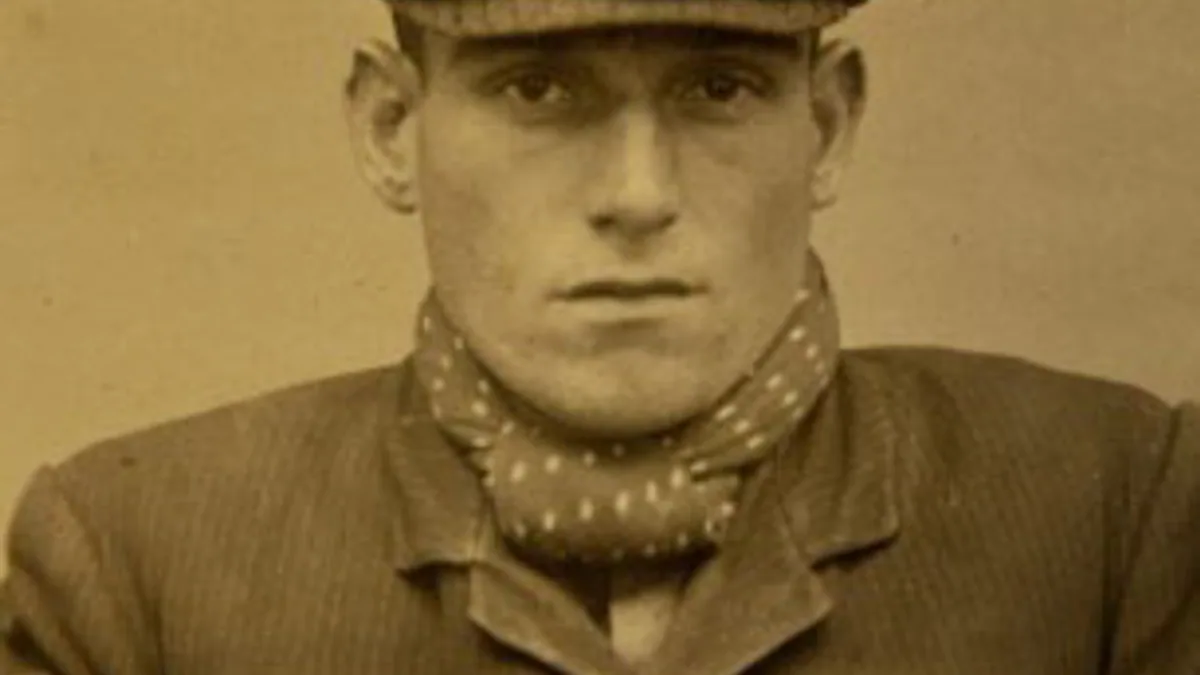
Probably not. Historians have found no reliable evidence that the real Peaky Blinders used razor blades sewn into their caps. The blade-lined cap is central to the television gang's image, but the historical Birmingham gangs appeared before disposable safety blades were common or affordable in Britain.
The razor cap belongs to the television story
The BBC drama makes the weapon explicit rather than leaving it as a fan interpretation. In the published script for the first episode, Freddie examines blades sewn into a cap's peak. That establishes the device inside the show's fictional world.
The television version is effective because it explains the name visually and gives the Shelby gang a distinctive weapon. It should not, however, be treated as proof of what late-Victorian street gangs carried. The BBC Writersroom script documents a creative choice made for the drama, not a police record from the 1890s.
This is one of several places where the series starts with real Birmingham history and reshapes it. Our broader guide to whether Peaky Blinders was based on a true story explains why the existence of a real gang does not make the Shelby family's plot factual.
Why historians doubt the razor-blade claim
The timing is the clearest problem. The historical Peaky Blinders were most strongly associated with Birmingham in the late nineteenth century and around the turn of the twentieth century. Replaceable safety-razor systems were still new, and the blades were not an ordinary, disposable item for poor teenagers when the gang name was already in circulation.
Cost also weakens the story. A blade valuable enough to shave with would be an extravagant and awkward addition to a soft cap. It would need to be fixed securely, handled without injuring the wearer and moved with enough control to work as described. That is possible in a choreographed scene, but possibility is not evidence.
Most importantly, researchers have not found a documented pattern of Peaky Blinders attacks involving bladed hats. The Smithsonian's history of the real gang, drawing on Birmingham historian Carl Chinn and police-history research, calls the hidden-razor claim unlikely. It notes that blades would have been a luxury item during the historical gang's period.
What the real gang was like
The absence of razor caps does not mean the gang was harmless. Contemporary records associate Birmingham street gangs with robbery, assault, intimidation and fights using ordinary weapons. The historical members were generally young, working-class men rather than the disciplined, wealthy, international criminal organization built around Tommy Shelby.
The dates are also important. The television story opens after the First World War, in 1919. The historical group usually called the Peaky Blinders had been prominent earlier. Later Birmingham criminal networks operated in the period dramatized by the series, but the show combines the famous name with characters and events designed for a postwar saga.
Historic UK's account places the gang in late-nineteenth-century Birmingham and describes the razor explanation as a disputed, fantastical theory. This supports a careful conclusion: a real gang existed and was violent, while its most famous modern weapon lacks historical proof.
Where the name may actually come from
There is no universally proven explanation for the name. One likely element is the distinctive peak of a cap or hat. “Blinder” was also used in Birmingham slang for someone or something striking in appearance. Historical gang members were noted for deliberate clothing and a recognizable style, so a fashion-based name is plausible.
Another explanation proposes that a cap's peak could be pulled down to obscure a wearer's face or an opponent's vision. These interpretations fit the language and clothing without requiring an expensive hidden blade. They remain explanations rather than a single settled fact, so it is better to present them as competing theories.
The temptation is to reverse-engineer the name from the show's weapon: peak plus blinding injury equals Peaky Blinders. That is neat storytelling, but neatness is not a substitute for contemporary evidence.
Myth versus documented history
| Claim | Best-supported conclusion |
|---|---|
| A real Birmingham gang was called the Peaky Blinders | Yes. |
| The historical gang was led by Tommy Shelby | No; the Shelby family is fictional. |
| Members routinely sewed razors into caps | No reliable historical evidence supports this. |
| Razor caps exist in the television story | Yes; the first-episode script makes them explicit. |
| The exact origin of the gang name is proven | No; several non-razor explanations remain plausible. |
The responsible answer is not that a bladed cap was physically impossible. It is that the available historical evidence does not show the real gang using one, while the chronology, cost and practical problems all count against the legend. If you are comparing individual characters as well as weapons, our answer on whether the Shelby family was real separates the fictional family from Birmingham's documented gangs.
Sources
Related answers

Where was the Garrison pub in Peaky Blinders filmed?
Separate the real Garrison pub from Peaky Blinders sets and street locations, using production evidence and clear distinctions between the series and film.

Was Peaky Blinders based on a true story?
Peaky Blinders, now a hit television programme, is based on the real existence of a gang in the mid-nineteenth century.

Was the Shelby family real?
The Peaky Blinders gang existed, even though the Shelby's weren't reported to be real people. Was there a real Thomas

Who was the historical Uhtred of Bamburgh?
The historical Uhtred of Bamburgh was Uhtred the Bold, an eleventh-century Northumbrian ruler who inspired but did not match The Last Kingdom hero.
Is Queen Charlotte based on a real person?
Queen Charlotte in Bridgerton is based on a real British queen consort, but Netflix changes her story heavily for alternate-history drama.
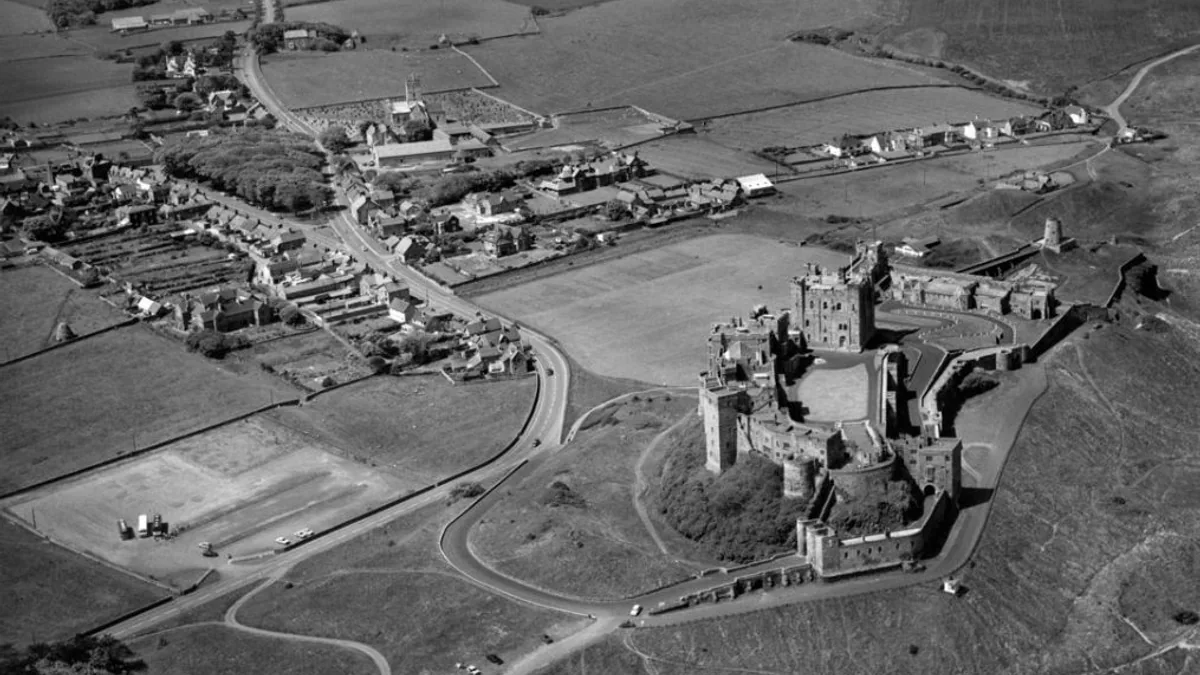
Is Bebbanburg a real castle?
Bebbanburg is the historical name associated with Bamburgh Castle. Here is what is real, what changed, and what The Last Kingdom fictionalizes.