Who was the historical Uhtred of Bamburgh?

The real Uhtred of Bamburgh was Uhtred the Bold, an eleventh-century Northumbrian nobleman and ealdorman. He helped rule from the Bamburgh power base, fought in northern politics and died in 1016. He inspired Bernard Cornwell's fictional Uhtred, but he was not the same person as the hero of The Last Kingdom.
The real Uhtred lived later than the TV hero
The biggest correction is chronological. The fictional Uhtred of Bebbanburg is placed in the age of Alfred the Great and the Viking wars of the late ninth century. The historical Uhtred the Bold belongs mainly to the early eleventh century, more than a century later.
A public Earl of Northumbria reference summary places Uhtred of Bamburgh in the ealdorman sequence ending in 1016. That date alone separates him from the central timeline of Alfred, Edward and the early formation of England shown in the drama.
This does not make the fictional character random. It means Cornwell borrowed a name, a family connection and a northern power base, then built a new protagonist for a different period. For the shorter answer, see whether Uhtred is real.
What Uhtred the Bold actually did
Uhtred came from the ruling family connected to Bamburgh in northern Northumbria. He rose in prominence during a period when northern England was caught between local dynasties, the English crown, Scottish pressure and Scandinavian power.
Accounts of Uhtred emphasize his role in defending the north and his later submission to Cnut. His death in 1016 is usually described as murder connected to political rivalry and a Northumbrian blood feud. That is dramatic history, but it is not the same plot as the television version.
The name Bamburgh is important because the show's Bebbanburg points back to the same place. Our guide to whether Bebbanburg is a real castle explains that the modern site is Bamburgh Castle in Northumberland, while the screen story uses the older name and adapts the setting.
How he connects to The Last Kingdom
Bernard Cornwell has explained that The Saxon Stories, later branded as The Last Kingdom series, were inspired in part by his discovery of family links to the Bebbanburg line. The official Bernard Cornwell series page identifies the novels as the source of the screen adaptation.
The connection is inspiration, not one-to-one biography. The fictional Uhtred is a Saxon nobleman's son raised by Danes, repeatedly tied to Alfred's dream of England and written as a witness to many ninth- and tenth-century events. The historical Uhtred the Bold was an eleventh-century political figure whose life is much less fully documented.
That creative choice is common in historical fiction. A writer can use a real name and a real fortress to create a character who helps readers move through a larger historical period.
Real Uhtred versus fictional Uhtred
| Point | Historical Uhtred | Fictional Uhtred |
|---|---|---|
| Usual name | Uhtred the Bold | Uhtred of Bebbanburg |
| Main period | Early eleventh century | Late ninth and early tenth century setting |
| Power base | Bamburgh/Northumbria | Bebbanburg/Northumbria |
| Relationship to Alfred | Not Alfred's contemporary in the show’s way | Central ally and critic of Alfred |
| Evidence type | Medieval historical records and later scholarship | Novels and TV adaptation |
What can be said with confidence
We can confidently say that Uhtred the Bold belonged to the northern aristocratic world around Bamburgh and Northumbria, and that his death in 1016 places him outside the lifetime of Alfred the Great. We cannot responsibly treat every detail attached to the later fictional Uhtred as a preserved fact about the historical earl.
That distinction is useful because medieval evidence is uneven. Some rulers and battles are well attested, while private motives, childhood scenes and dialogue are usually unknowable. Historical fiction fills those gaps to create a coherent character arc. Good explanatory content should identify the real anchor without pretending the invented material is evidence.
Why the confusion happens
The confusion is understandable because the show deliberately feels historical. It uses real rulers, real kingdoms and real conflicts. Many characters around Uhtred are based on people who did live in Alfred's period, so viewers naturally ask whether Uhtred himself is also a direct portrait.
The careful answer is more precise. Uhtred the Bold was real; Uhtred of Bebbanburg is fictional; and the fictional character borrows from real northern history while living in a different dramatic timeline.
Therefore, the historical Uhtred of Bamburgh was not the exact man shown in The Last Kingdom. He was a later Northumbrian ruler whose family, fortress and violent political world helped inspire the character.
How to phrase the answer accurately
The safest wording is that Uhtred the Bold was a real Northumbrian nobleman associated with Bamburgh, while Uhtred of Bebbanburg is a fictional lead built from that northern material. Saying simply that ‘Uhtred was real’ is too vague unless the article explains which Uhtred it means.
Sources
Related answers

Is Uhtred real?
The Uhtred of Bebbanburg is not a real historical figure.He is a fictional character created by Bernard Cornwell of The
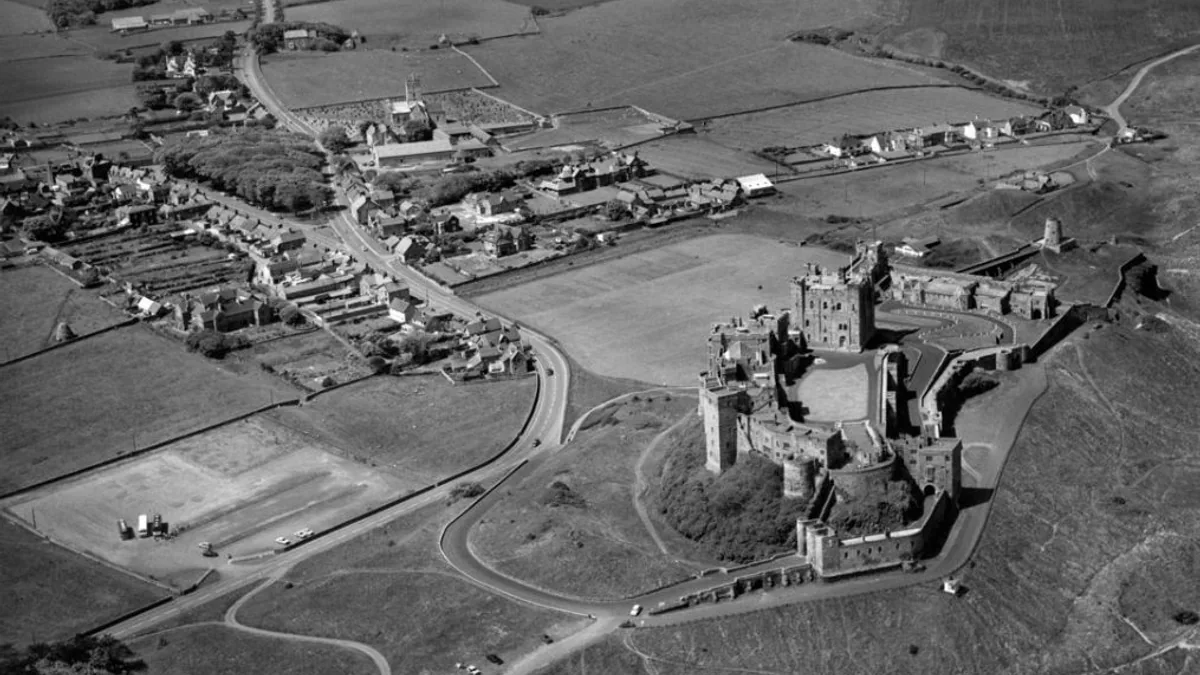
Is Bebbanburg a real castle?
Bebbanburg is the historical name associated with Bamburgh Castle. Here is what is real, what changed, and what The Last Kingdom fictionalizes.

Where was the Garrison pub in Peaky Blinders filmed?
Separate the real Garrison pub from Peaky Blinders sets and street locations, using production evidence and clear distinctions between the series and film.
Is Queen Charlotte based on a real person?
Queen Charlotte in Bridgerton is based on a real British queen consort, but Netflix changes her story heavily for alternate-history drama.
Did the real Peaky Blinders use razor blades in their caps?
There is no solid evidence that the real Peaky Blinders stitched razor blades into their caps. Here is how the television myth differs from history.

What was HBO's first original series?
Since the debut of its first weekly series, Inside the NFL, in September 1977, HBO has only produced a limited